

AI & Neural Networks
Artificial Intelligence (AI) refers to the simulation of human intelligence in machines, enabling them to perform tasks such as learning, reasoning, and problem-solving. AI technologies, including machine learning and natural language processing, are transforming industries by automating processes, enhancing decision-making, and improving user experiences across various applications and sectors. Check out the table on this page that includes crypto projects with descriptions and interest levels based on the CryptoTotem algorithm. Learn more ↓
Total crypto projects 515 Total funds raised $1,816,827,350(as of April 2026)
| Projects | Projects | Status | Date start | Raised | Launchpad | Ecosystem | X score | Interest lvl | Industry | |||
|---|---|---|---|---|---|---|---|---|---|---|---|---|
ICO Pre-Sale | Dec 14, 2025 | AI +3 | ||||||||||
ICO IDO Upcoming IDO | Apr 03, 2026 | Energy & Utilities +2 | ||||||||||
 | ICO Pre-Sale | Mar 01, 2026 | Trading & Investing +4 | |||||||||
ICO Pre-Sale | Feb 01, 2026 | Blockchain +2 | ||||||||||
ICO Upcoming | Jul 01, 2026 | $1,09M | AI +2 | |||||||||
ICO Ongoing | Dec 02, 2025 | Blockchain +6 | ||||||||||
ICO Ongoing | Mar 15, 2026 | Data Analytics +3 | ||||||||||
ICO Ongoing | Oct 01, 2025 | $1M | Blockchain +3 | |||||||||
ICO Ongoing | Jul 01, 2025 | Real Estate +5 | ||||||||||
ICO Ongoing | Mar 11, 2025 | Real Estate +4 | ||||||||||
ICO Ongoing | Sep 10, 2025 | $14,1M | AI +6 | |||||||||
IDO Upcoming IDO | Mar 22, 3035 | Sport +6 | ||||||||||
IDO Ongoing IDO | Dec 23, 2025 | Software +6 | ||||||||||
ICO Ongoing | Oct 07, 2024 | AI +3 | ||||||||||
| TBA | TBA | $5M | AI +2 | ||||||||
IDO Past | Mar 17, 2026 | Gambling +3 | ||||||||||
IDO Past | Mar 17, 2026 | Health & Medicine +3 | ||||||||||
| IDO Past | Mar 23, 2026 | AI +4 | |||||||||
IDO Past | Mar 26, 2026 | AI +3 | ||||||||||
IDO Past | Mar 24, 2026 | AI +2 | ||||||||||
| TBA | TBA | Data Analytics +4 | |||||||||
IDO Past | Mar 15, 2025 | Finance +5 | ||||||||||
TBA | TBA | Sport +6 | ||||||||||
TBA | TBA | $10,1M | Blockchain +3 | |||||||||
TBA | TBA | Blockchain +3 | ||||||||||
TBA | TBA | $5M | Blockchain +4 | |||||||||
TBA | TBA | Trading & Investing +2 | ||||||||||
TBA | TBA | AI +2 | ||||||||||
| TBA | TBA | $4M | AI +1 | ||||||||
TBA | TBA | Social Services & Non-profit +5 | ||||||||||
IDO Past | TBA | $5M | AI +4 | |||||||||
TBA | TBA | $7,5M | Crowdfunding & Lending +4 | |||||||||
TBA | TBA | AI +2 | ||||||||||
ICO | TBA | $5M | AI +3 | |||||||||
ICO | TBA | AI +3 | ||||||||||
TBA | TBA | AI +3 | ||||||||||
ICO | TBA | Commerce & Retail +4 | ||||||||||
TBA | TBA | AI +1 | ||||||||||
TBA | TBA | $7M | AI +5 | |||||||||
| TBA | TBA | $15M | Electronics & Robotics +2 | ||||||||
| ICO Past | Jan 25, 2026 | Blockchain +3 | |||||||||
| ICO Past | Jan 30, 2026 | AI +2 | |||||||||
ICO Past | Dec 10, 2025 | Charity & Donations +1 | ||||||||||
| TBA | TBA | AI | |||||||||
TBA | TBA | Health & Medicine +1 | ||||||||||
ICO | TBA | AI +3 | ||||||||||
TBA | TBA | Blockchain +3 | ||||||||||
ICO IDO Past | Mar 28, 2026 | AI +3 | ||||||||||
TBA | TBA | Finance +4 | ||||||||||
TBA | TBA | $2M | Internet & Telecommunications +3 | |||||||||



















































What is AI (Artificial Intelligence)
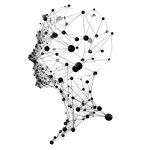
Artificial Intelligence or AI is a computer technology that allows machines to perform tasks that previously only humans could do.
Artificial Intelligence is a broad term that encompasses many different technologies that allow machines to mimic human intelligence, including Neural Networks. And it should be noted that Neural Networks are actually just one element of artificial intelligence.
In addition to Neural Networks, AI includes technologies such as:
- Machine learning to develop algorithms that learn from large data sets.
- Logic programming to solve problems related to planning, reasoning, and prediction.
- Genetic programming for solving problems requiring the use of the principles of genetics and biological evolution.
- Game theory for strategy development and decision making under uncertainty.
- Artificial intelligence can be implemented as software that can run on computers and servers, or as chips that can be embedded in devices such as phones, cars, and home appliances. Artificial intelligence is widely used in a variety of industries, including medicine, finance, manufacturing, transportation, and more. It allows companies to automate processes, increase efficiency, and improve the quality of products and services.
AI can be categorized into two types:
- Generative Artificial Intelligence (AI) is a type of AI that can analyze data, find patterns, learn, and create (generate) unique content on demand (prompts).
- Non-generative Artificial Intelligence (AI) is all those services that are around us all the time and we just don’t notice them anymore. They don’t create anything, they recognize faces, navigate, predict data, manage transportation, recommend you articles or sites of interest, and so on.
As you can see, AI and Neural Networks are not the same thing, but they are closely related. So today we will take a closer look at the key mechanics of Neural Networks.
What is Neural Network
Neural networks or so-called artificial neural networks (ANN) are deep learning networks that can train computers to mimic human thinking.
They are based on a series of nodes, layers and connections, similar to the way neurons are connected by dendrites and synapses in the human brain. Having gone through enough training examples, these artificial networks will also be able to perform tasks much faster than human neural networks.
Their flexibility and ability to learn from large amounts of data make them in demand in many areas:
- Pattern Recognition: For example, recognizing faces, objects in images.
- Natural Language: For text processing, machine translation, speech synthesis.
- Forecasting and analysis: Time series forecasting, data analysis.
- Control: For example, autopilots in cars, autonomous robots.
In addition, the capabilities of neural networks are in demand in many areas of human activity, such as:
- Diagnosis of medical conditions based on a database of medical images.
- Filtering social networks and analyzing user behavior for targeted marketing.
- Forecasting financial processes by processing data on previous events on currency and securities markets.
- Forecasting resource requirements, such as water or electricity supply.
- Quality control of manufactured products.
- Identification of chemical compounds.
It is worth noting that thanks to the NLP (Natural Language Processing) model, neural networks allow computers to understand spoken and written texts created by humans. This means that the application of neural networks can also be seen in areas such as:
- Automated chatbots and virtual agents.
- Classification of recorded data, categorizing it into the right sections.
- Business analytics of bulk documents, including reports, research descriptions, and so on.
- Indexing of key phrases to determine the prevailing tone of comments in social networks.
- Recommendation services.
How does Neural Networks work
Artificial neurons are activated in the same way as human neurons. This is how neural network architecture works in the real world:
- Adding Information to successfully analyze big data, computers need access to vast amounts of information. Computer and data scientists feed their neural networks tons of options to use as training data in a process called supervised learning. After completing these extensive initial tutorials, neural networks can move on to more unsupervised learning through interaction with regular users.
- Multiple layer resolution: each node in a neural network requires several different input layers to approximate human thinking. Each input in deep learning algorithm also carries a different weight that makes the neuron either activate or not activate at the next layer.
- Application of inputs: as neural networks accept inputs, they filter each new piece of information through different hidden layers. They evaluate the features of the information by assigning certain numbers to them to better categorize their importance to the algorithm as a whole.
- Weight assignment: the neural network processors give each of the inputs a “weight” value after classifying the inputs. By combining the values of the inputs and weights, one can get an almost finite set of choices – all of which pass through different layers of the network.
- Threshold comparison: the computer passes the sum of all input values and weights. This ultimately determines which output layer the input value will pass through as a threshold value. Neural optimization of pattern recognition comes from constant practice on this front.
Conclusion
Ultimately, the capabilities of artificial intelligence and neural networks are being actively utilized in many areas. Humanity is actually delegating more and more of its responsibilities to artificial intelligence, and in time this may cause mass unemployment in certain spheres of activity. The costs of launching a neural network will be an order of magnitude lower than the maintenance of numerous personnel.
However, it is not necessary to say that AI and Neural Networks will completely replace humans. No matter how smart a machine brain is, it will not be able to solve the problem of moral choice, it has no moral principles, no concept of good and evil, support and empathy. Artificial intelligence will always be a tool in human hands.